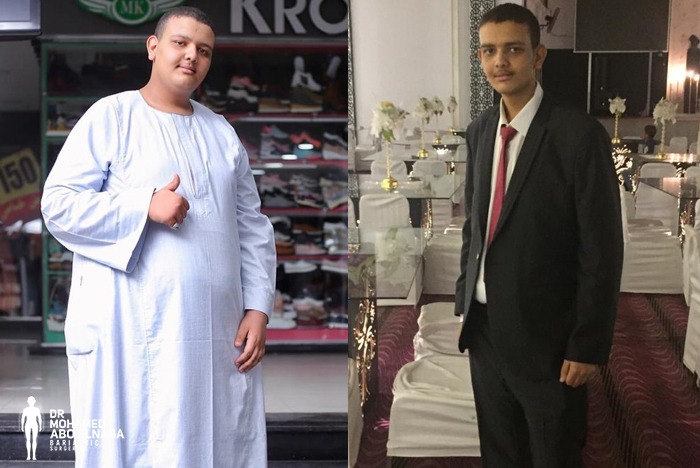
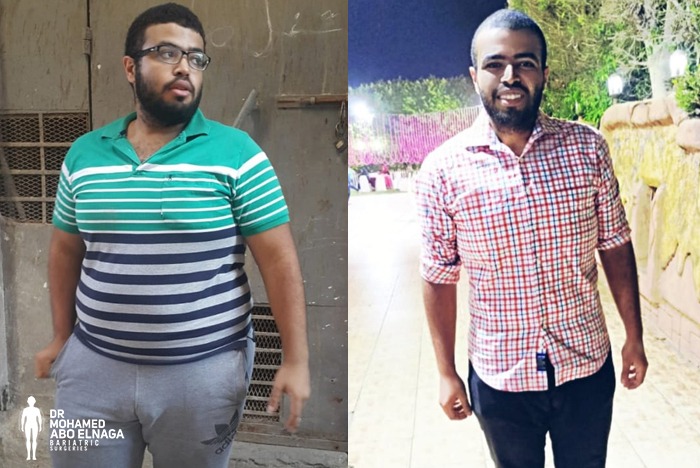
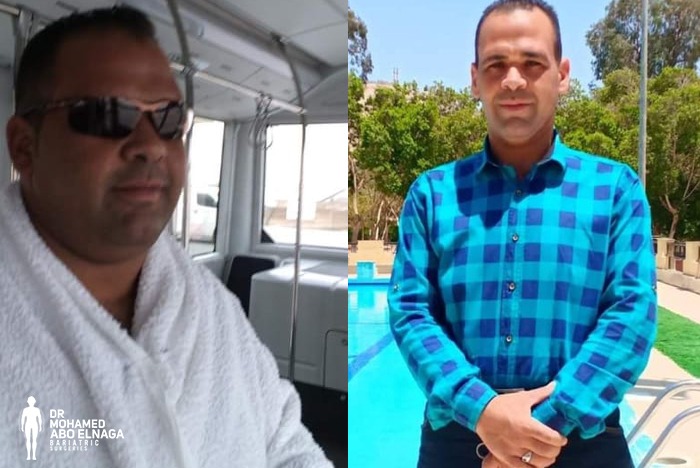
Her laugh has become more beautiful after the surgery
What is obesity?
Obesity is a rise in the body mass index (BMI) to 30 or greater. BMI is a measure of your weight to your height. Obesity is divided into three groups.
*Group 1 has a BMI of 30 to 35.
*Group 2 is a BMI of 35 to 40.
*Group 3 is a BMI of 40 or greater.
Who are the candidates for bariatric surgery?
Groups 2 and 3, known as excessive obesity, often are difficult to be solved through diet and exercise only, but require surgical intervention, especially with serious obesity-related health problems, which we will talk about later in this article.
Bariatric surgery can improve many medical conditions associated with obesity.
What is bariatric surgery?
Bariatric surgery is a surgery that helps to lose weight by causing changes in the digestive system. Some bariatric surgeries reduce the stomach size, allowing the patient to eat and drink less and feel saturated faster. Other bariatric surgeries bypass the small intestine responsible for absorbing calories and nutrients from foods and drinks.
How are the bariatric surgeries performed?
Bariatric surgeries are based on the use of the laparoscope, a thin tube inserted into the abdomen through small incisions that do not exceed 2 cm. This technique reduces recovery time, shortens hospitalization, reduces scarring, and reduces post-surgical pain.
What are the benefits of bariatric surgery?
Bariatric surgery helps you lose weight and improves many health problems related to obesity, such as:
- Type 2 diabetes.
- Hypertension.
- Heart disease risk.
- Hypercholesterolemia.
- Sleep Apnea.
- Joint and back pain.
- Knee pain.
Bariatric surgery makes a person more active and able to move freely. It also improves mood, which may lead to a longer and healthier life.
What can help me get the most out of my bariatric surgery?
1- At the start of the journey, Dr. Mohamed Abo El Naga, consultant of bariatric and laparoscopic surgeries, explains different bariatric surgeries and describes them in detail. He determines what is appropriate for you according to your weight, health status, and dietary habits.
2- The selection of healthy foods and drinks before and after surgery helps you lose more weight and maintain the ideal weight in the long term.
3- Regular physical activity after surgery also helps maintain weight.
4- Following the medical advice of Dr. Mohamed Abo El Naga and his medical team is your secret guide.
Does bariatric surgery have any risks?
Dr. Mohamed Abo El Naga is characterized by his ability to improve results and reduce the possibility of surgical complications.
It has been found that bariatric surgery is one of the safest surgeries compared to other surgeries.
Upon comparing the risks of obesity complications and bariatric surgeries, You will find that the risks of bariatric surgeries are negligible.
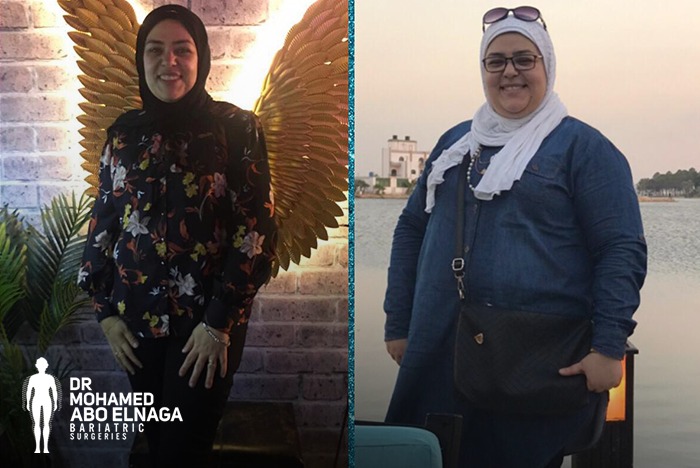
One of the success stories of Dr. Mohamed Abo El Naga is this laugh that became more beautiful after the bariatric surgery.
That success was due to the support of Dr. Mohamed Abo El Naga in every step during her weight loss journey and the full guidance and care before, during, and after surgery.
The team of specialized surgeons, anesthesiologists, nutritionists, nurses, and psychological support specialists, has developed an individual care plan for our hero to achieve the best possible results.
One of the points that our hero praised mostly is the excellence of Dr. Mohamed Abo El Naga Center:
- The continuous availability of communication methods, including visits to the center, phone calls, and continuous support groups through social media groups.
- The post-surgical follow-up system ensures weight loss, prevents weight gain, and solves any nutritional deficiencies or late complications.